
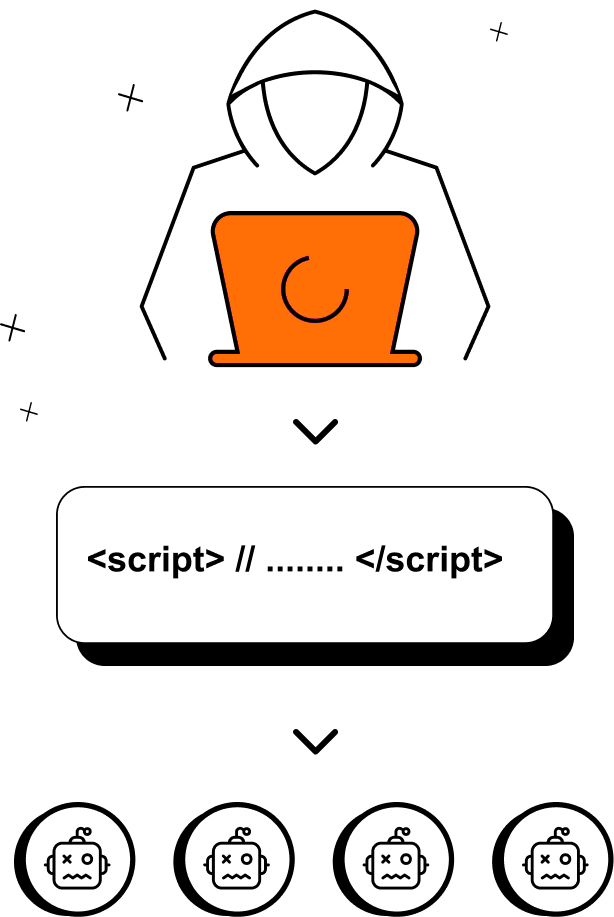

A multi-layered approach combining Google’s native tools with dedicated bot mitigation and strategic campaign adjustments.
In Brief
Preventing click fraud in Google Ads is not a single action but a continuous process of traffic quality management. It requires a combination of diligent use of Google’s native features, such as IP address exclusions and placement targeting, with proactive campaign structuring. For comprehensive protection against sophisticated threats, this foundational work must be augmented by specialized, real-time bot mitigation software that operates beyond the scope of manual checks or Google’s default filters.
Relying solely on Google’s automated invalid click credits is insufficient for advertisers with significant paid media budgets. A robust prevention strategy must actively identify and block sophisticated bot traffic, competitor clicks, and organized fraud schemes that evade basic detection. This requires a dynamic and analytical approach to protect ad spend, preserve data integrity, and ensure that campaign optimization is based on genuine user engagement rather than fraudulent signals.
Implementing a Comprehensive Click Fraud Prevention Framework
The first layer of defense against click fraud resides within the Google Ads platform itself. Advertisers should begin with disciplined account hygiene. This involves rigorously monitoring the search terms report to identify and add irrelevant queries as negative keywords, which helps filter out low-intent traffic that is often associated with non-genuine clicks. Another foundational tactic is to manually add suspicious IP addresses to the account’s exclusion list. While this is a necessary step, its effectiveness is limited; it is a reactive measure that cannot keep pace with fraudsters who use vast, rotating networks of IP addresses.
Strategic campaign structure and targeting settings form the second critical layer of prevention. Many instances of bot traffic and invalid clicks originate from lower-quality inventory on the Google Display Network and Search Partner networks. Advertisers should be highly selective about where their ads appear, regularly reviewing placement reports and aggressively excluding underperforming or suspicious websites, mobile apps, and YouTube channels. Furthermore, precise location targeting is essential. By excluding entire countries or regions known for high concentrations of bot farms, you can cut off a significant volume of fraudulent traffic before it ever sees your ads.
At Cheq AI Technologies Ltd, we find that the most overlooked vulnerability is a mismatch between bidding strategy and traffic quality goals. An advertiser using a Target CPA or Maximize Conversions strategy without clean conversion data is effectively training Google’s algorithm to find more of the fraudulent traffic that generates fake conversions, creating a feedback loop that accelerates wasted ad spend. A crucial part of breaking this cycle involves a thorough diagnosis of Google Ads Click Fraud to understand the sources of bad data before implementing automated prevention tactics. This ensures that optimization decisions are driven by real customer actions, not bot-generated noise.
For truly effective protection, manual methods must be supplemented with advanced, automated bot mitigation. Sophisticated click fraud employs bots that can mimic human behavior, bypass simple IP blocks, and generate fake conversion events. Dedicated click fraud protection platforms analyze hundreds of real-time data points for each click, including device fingerprints, browser characteristics, user behavior patterns, and network signatures. This allows them to identify and block fraudulent sources automatically and preemptively, providing a level of security that is impossible to achieve through manual review and reactive IP exclusions alone. This automated blocking is crucial for safeguarding large budgets and maintaining campaign integrity.
Ultimately, the goal of click fraud prevention extends beyond just saving money on wasted clicks; it is about preserving data integrity for strategic decision-making. Bot traffic and invalid clicks pollute your analytics platforms with misleading data, skewing metrics like click-through rate, conversion rate, and cost per acquisition. This bad data leads to flawed optimization choices, as you may inadvertently allocate more budget to campaigns that are simply attracting more fraud. By implementing a comprehensive prevention system, you ensure that your performance data reflects genuine user interest, enabling more accurate reporting, smarter optimizations, and a higher return on your advertising investment.
Real-Life Example: Manual IP Blocking vs. Automated Bot Mitigation
Two e-commerce businesses in the same competitive market notice high click volumes from their paid media campaigns but disproportionately low sales. The first business relies on manual prevention, tasking an analyst to identify and block suspicious IP addresses from server logs. This reactive process is slow and fails to stop sophisticated bots that use thousands of rotating IPs. The second business implements an automated bot mitigation platform. This system analyzes hundreds of data points per click, such as device fingerprints and behavioral patterns, to identify and block entire fraudulent networks in real time.
For illustration, the first business continues to lose over 20% of its budget to invalid clicks. The second sees this waste fall below an illustrative 2%, restoring the integrity of its performance data. This contrast highlights that manual, IP-based blocking is insufficient against modern fraud, while automated, multi-layered detection offers effective protection.
Bottom Line
Effectively preventing click fraud in Google Ads demands a proactive, multi-layered strategy that cannot rely on a single tool or tactic. It begins with meticulous in-platform management of targeting, negatives, and exclusions but must evolve to address the scale and sophistication of modern bot traffic. For any advertiser managing a significant budget, supplementing Google’s native tools with a dedicated, automated bot mitigation platform is not an option but a necessity. This approach is the only way to protect ad spend, ensure data integrity, and allow algorithmic bidding systems to optimize toward real business outcomes instead of fraudulent signals.