
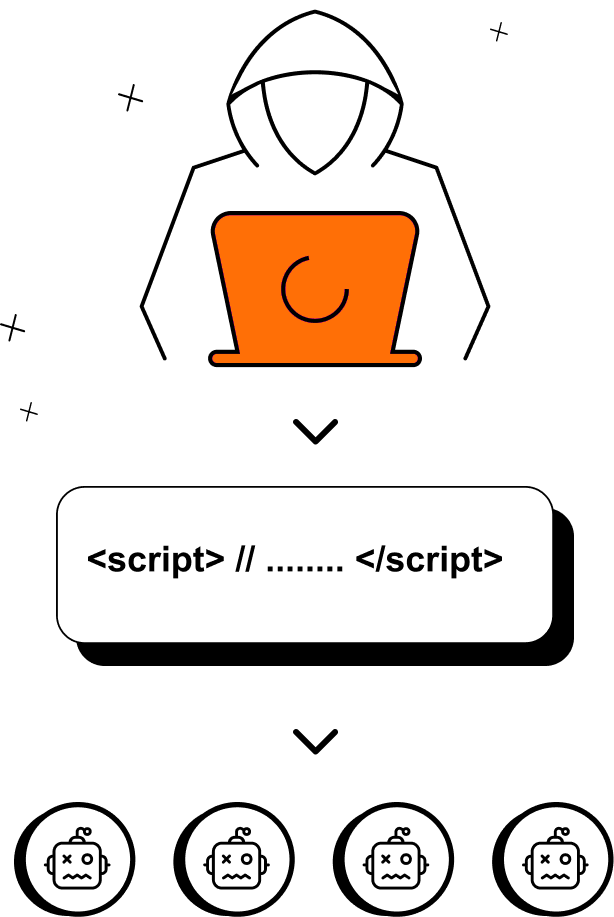

Yes, modern click fraud bots are sophisticated enough to mimic human behavior. Many bots are no longer simple scripts that click an ad and leave immediately. Advanced bot systems can use realistic browsers, rotate IP addresses, imitate devices, move through pages, scroll, wait, click buttons, and even trigger form interactions.
This is why surface-level analytics can be misleading. A session that lasts more than a few seconds is not automatically human. A visitor that scrolls the page is not automatically real. A lead form submission is not automatically valid. Bots have evolved to imitate the signals advertisers often use to judge engagement.
Across the paid media ecosystem, this makes traffic-quality analysis more complex. This guide to evaluating traffic quality across paid media channels explains why bots behave differently across search, social, display, and audience-network environments.
How modern bots imitate real users
Advanced bots can mimic the technical environment of a real visitor. They may use residential or mobile IP addresses, rotate proxies, change user-agent strings, clear cookies, and present themselves as different browsers or devices.
They can also run through real browser environments using automation tools that render JavaScript and interact with page elements. This allows bots to appear more legitimate than basic scripts that fail to load tracking tags or page assets.
From an advertiser’s perspective, this means IP blocking alone is not enough. A bot that rotates clean IPs and devices may not create a simple repeat-click pattern.
Bots can simulate engagement
Modern bots can also perform actions that look like engagement. They can scroll down a landing page, pause at certain sections, move the cursor, click internal links, open product pages, trigger micro-conversions, or begin filling out forms.
This behavior is designed to defeat basic detection methods. If a fraud filter only looks for instant bounces, the bot can wait. If it only checks for page depth, the bot can visit another page. If it looks for form interaction, the bot can start typing.
This is why advertisers need a deeper view of traffic quality. One engagement signal is not proof of a real user. Patterns across device, network, timing, behavior, source, and conversion quality are much more reliable.
Bots can generate fake leads
The most damaging bots do not stop at the click. They can submit forms, create accounts, request demos, download assets, or trigger conversion events. This creates fake conversions that look successful in the ad platform but fail when reviewed by sales or operations.
Fake leads may use disposable email addresses, invalid phone numbers, repeated naming structures, mismatched locations, or stolen personal details. Some may look convincing enough to pass a quick manual review.
If your campaigns show strong conversion volume but weak lead quality, this guide on diagnosing bot traffic and fake leads in Google Ads campaigns can help identify the signs of automated or fraudulent activity.
Why platform filters may not catch everything
Major ad platforms filter large volumes of invalid activity, but sophisticated bots are specifically designed to avoid obvious detection. They may spread clicks across different IPs, use realistic browsers, vary session lengths, and avoid repeating the same behavior too often.
Platform filters also define invalid activity according to platform rules. Advertisers often need a stricter business definition: traffic that cannot become a real customer, pollutes data, generates fake leads, or wastes budget.
That gap is why advertisers should compare platform data with first-party evidence such as server logs, analytics behavior, CRM outcomes, sales feedback, and lead validation.
How advertisers should respond
Advertisers should look for combinations of signals rather than isolated red flags. Suspicious patterns may include unusual click velocity, mismatched geography, repeated device fingerprints, high engagement with no business outcome, form submissions with low-quality data, or traffic sources that produce clicks but no qualified users.
Using PPC click fraud software gives advertisers a dedicated layer for detecting and blocking invalid traffic across paid search, social, display, and audience-network campaigns.
The goal is not only to block obvious bots. The goal is to identify the sophisticated traffic that looks human enough to pass surface-level reporting but still produces no real value.
Bottom line
Click fraud bots are sophisticated enough to mimic human users. They can imitate browsers, devices, movement, session behavior, and even conversion actions. That makes basic analytics insufficient for serious paid media protection.
Advertisers need to evaluate traffic through multiple layers: technical signals, behavior, source quality, conversion validity, and business outcome. If a visitor looks human but never creates real value, the campaign still needs protection.