

In brief
Because ad platforms record interactions first and judge quality later.
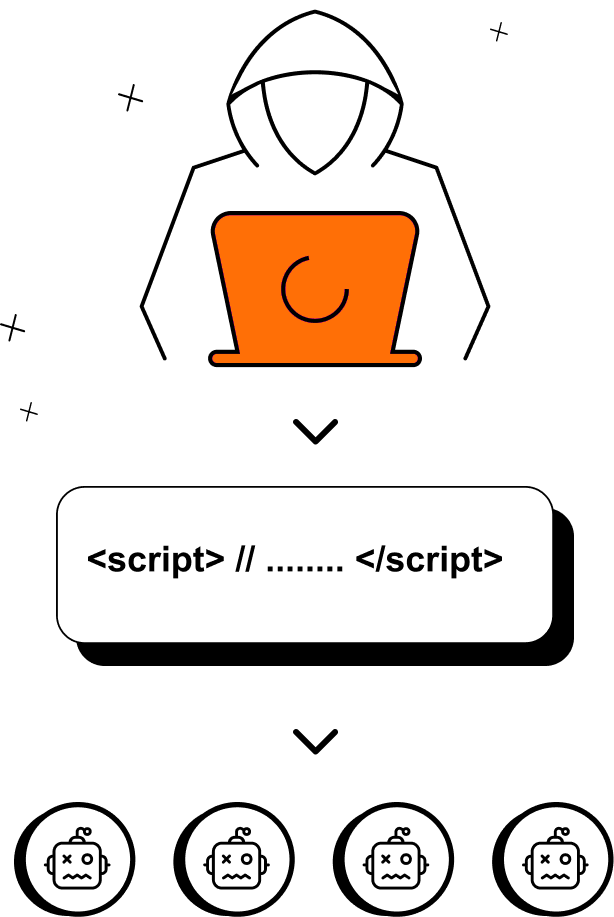
A click can be logged as standard campaign activity even when the person, bot, or system behind it had no real buying intent. Some fake clicks are filtered quickly. Some are reviewed later. Some are never flagged with enough confidence to disappear from normal reporting. And some are built to resemble weak but believable human behavior, making them much harder to distinguish from ordinary traffic.
This is why advertisers often feel a disconnect between dashboard activity and business outcomes. The platform shows clicks. The business sees weak leads, shallow engagement, or no real pipeline movement.
The broader guide on what click fraud is explains why paid traffic can look active in the platform while still failing to create meaningful business value.
A reported click is not the same as a trusted click
Platforms are designed to measure ad delivery and user interaction at scale. Their first job is to register what happened: the ad was served, the user or system interacted, and a click was recorded.
That does not mean the platform is certifying the quality of that click in the same moment.
This is the part many advertisers misunderstand. A recorded click is a logged event, not proof of commercial intent. The system can accurately capture the interaction while still being unsure whether the click came from a real prospect, a bot, an accidental tap, a low-quality placement, or another form of weak traffic.
So when fake clicks appear as normal clicks, it does not always mean the platform missed the click in a simple sense. Sometimes it means the platform recorded the interaction but, at least at that moment, did not have enough evidence to classify it differently.
Why detection is never perfectly clean
Not all fake clicks look like obvious fraud.
Some are easy to catch because they come in bursts, repeat from suspicious sources, or behave in patterns that clearly look automated. Others are more subtle. They may arrive from distributed IP ranges, vary in timing, rotate devices, or generate light post-click activity that makes them look closer to weak human traffic than to obvious bot traffic.
That difference matters. Detection systems are robust, but they still rely on signals, patterns, and confidence levels. They are not magic.
Platforms also have to be careful not to overcorrect. If they classify too aggressively, they risk filtering legitimate users. That means there is always a balancing act in the background: block enough bad traffic to protect the system, but not so much that genuine clicks get swept up with it.
The result is a reporting environment where some bad clicks are caught early, some are reclassified later, and some remain mixed into the ordinary click stream.
Why advertisers often notice the problem first
Businesses usually spot the issue through outcomes, not labels.
The marketing team may see traffic rising while conversion quality softens. Sales may report that leads feel weaker, less reachable, or less relevant. Analytics may show visits, but not much real browsing depth. The account looks active, yet the commercial value is thin.
That is often the first real clue.
In other words, the platform sees interaction, but the business sees a mismatch. That mismatch is what makes fake clicks so frustrating. They do not always announce themselves with a warning. Sometimes they look perfectly normal in the reporting layer and only reveal themselves through what happens after the click.
This is especially easy to miss in larger accounts, where noise can get lost in volume. A campaign can accumulate plenty of top-line activity while quietly filling the funnel with traffic that never behaves like genuine demand.
Why this happens across channels
This problem is not unique to Google Ads.
It can happen across paid social, display, and other paid media environments. A team may see healthy click numbers in platform reporting while downstream behavior remains weak. The channel changes, but the pattern stays familiar: recorded activity looks stronger than business value.
That is why experienced advertisers do not judge traffic quality solely by in-platform click counts. They compare paid traffic with engagement depth, lead quality, sales feedback, CRM progression, and pipeline reality.
For advertisers working across paid channels, stop invalid clicks is not just a platform-level concern. It is part of protecting budget, data quality, and downstream performance.
Real-life example
A large B2B software company launches campaigns for a high-value demo funnel across several regions. The paid media team sees healthy click volume and steady top-line traffic. On paper, performance looks active.
But the demand generation team quickly becomes skeptical. Qualified meetings are not increasing at the same pace. Regional sales managers complain that too many leads are weak or unreachable. Site sessions exist, but many show limited exploration of pricing, product pages, or case studies.
Nothing in the platform clearly labels the issue as fraud. The clicks are simply sitting there as campaign activity.
After a deeper review, the company realizes that part of the traffic behaves more like noise than demand. Some visits may be automated. Some may come from low-quality sources. Some may technically count as clicks but do not represent real buyer interest. The lesson is not that the platform failed to count clicks. The lesson is that recorded clicks were mistaken for meaningful demand.
What advertisers should ask instead
A better question is not only, “Why is this showing up as a normal click?”
The more useful question is, “Did this click behave like a real prospect after arrival?”
That changes the focus completely. Instead of treating the click column as a quality signal, the advertiser starts judging traffic by what happens next: deeper browsing, qualified leads, realistic conversion paths, and actual sales movement.
Strong teams learn to separate activity from value.
Bottom line
Fake clicks still show up as normal clicks because ad platforms do not instantly or perfectly classify every bad interaction, and because recorded activity is not the same thing as verified intent. Some suspicious clicks are filtered, some are caught later, and some stay blended into standard reporting.
The click column should never be treated as proof of healthy demand. The better test is whether those clicks behave like real prospects once they land.
